
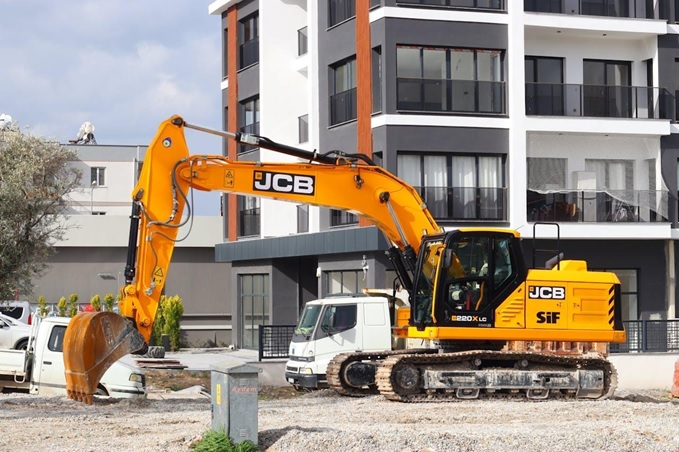
Construction businesses rarely struggle because they lack effort or experience. Friction shows up in the gaps between systems and in the timing of information. Project managers track budgets in spreadsheets, the field sends updates through email or texts, purchasing works out of an inbox, and accounting closes the month after the job has already moved on. Leaders end up making decisions with stale numbers, and that’s where margins get quietly chewed up.
Job cost reports come in late. Committed costs are incomplete or scattered across tools. Change orders sit in limbo, and revenue doesn’t match the work performed. Cash flow gets tight because billing doesn’t keep pace with production, retainage isn’t forecasted accurately, and pay apps turn into a weekly fire drill.
Add multiple entities, multiple states, union rules, compliance requirements, and constant subcontractor churn, and the cost of disconnected operations becomes very real. Construction needs an ERP that treats projects as the center of the business, not a side module attached to the general ledger.
What Construction Companies Need From An ERP Today
An ERP for construction has to do more than record transactions. It needs to keep pace with active jobs and reflect reality as it changes. Job costing should update fast enough to guide weekly decisions, not just month-end reporting.
Project accounting must handle WIP, retainage, progress billing, time-and-materials billing, unit-based billing, and detailed cost codes without forcing workarounds. Leaders need a single view of the original budget, approved changes, commitments, actuals, and projected cost-to-complete.
Procurement can’t live in a silo. Purchase orders, subcontracts, vendor bills, and committed costs should be rolled into job cost in a predictable manner. In addition, inventory and equipment tracking should be linked to jobs so usage and charges don’t get lost.
Finally, reporting has to be trustworthy. Foremen, PMs, controllers, and executives all need answers, even if they look at different dashboards. If reporting requires a data cleanup project every month, the ERP isn’t doing its job.
Why NetSuite Fits Construction Better Than Most ERPs
Many ERP platforms claim they support construction. The difference with NetSuite is the combination of strong financial controls, real-time visibility, and configurability that works for contractors with complex workflows. NetSuite’s foundation is cloud-first, which matters in an industry where teams are spread across offices, trailers, jobsites, and vendor locations.
NetSuite brings accounting, purchasing, project financials, and reporting into one system, with role-based access so the right people see the right information. What’s more, the platform supports multi-subsidiary structures that show up in construction all the time, such as separate entities for divisions, regions, licensing, or risk management.
NetSuite also works well for growth-minded contractors that outgrow entry-level tools and don’t want to jump into a rigid, heavily customized legacy system. A contractor can start with core accounting and project financials, then expand into inventory, advanced procurement, approvals, and automation as the business matures.
Job Costing That Stays Current Instead Of Catching Up Later
Construction margins are won or lost in the details. If job costing is late or incomplete, issues become “surprises” instead of manageable problems. NetSuite supports job costing in a way that can keep pace with project activity, especially when it’s set up with a construction-friendly chart of accounts and cost code structure.
Costs can be captured from AP bills, PO receipts, credit cards, time entries, and inventory issues. The key is consistency. NetSuite can enforce processes through approvals, required fields, and role-based workflows, so costs land on the right job and the right cost code more often.
Committed cost tracking is another big win. Many contractors know what they spent, yet they can’t confidently answer what they’ve committed. NetSuite can roll commitments from purchase orders and subcontracts into job views and forecasts, providing PMs and finance with a shared baseline for cost-to-complete conversations.
Project Accounting Built For WIP, Retainage, And Real Billing
Construction accounting isn’t just accounting with a project label. WIP schedules, retainage, and revenue recognition shape everything from cash planning to bank conversations. NetSuite supports robust financial reporting, and it can be configured for construction WIP workflows so controllers aren’t stuck stitching reports together across systems.
Progress billing and retainage tracking matter because cash is oxygen. If the ERP can’t clearly show billed-to-date, collected-to-date, retainage held, and what’s left to bill, leaders are forced to operate on gut feel. NetSuite’s reporting and saved searches can provide those views in near real time once the underlying process is consistent.
NetSuite also supports sophisticated revenue and expense recognition rules. That matters for contractors doing longer projects, multi-phase contracts, or jobs that cross reporting periods. Cleaner revenue recognition also helps with bonding and lending relationships, as financial statements align with operational reality.
Change Orders That Don’t Get Lost In The Shuffle
Change orders drive profitability, yet they’re a common failure point. Field teams spot scope creep. PMs negotiate. Accounting wants clean documentation. Then something breaks: a change is approved verbally, but it never becomes a formal billable item, or costs hit the job before the change is tracked.
NetSuite shines when the business establishes a disciplined change workflow that connects approvals to budget and billing. The goal is simple: every approved change should adjust the budget, update forecasts, and flow to billing without manual re-entry.
Alternatively, even if a contractor isn’t ready for a full change management module, NetSuite still supports structured tracking through custom fields, approval routing, and reporting so “pending changes” don’t disappear. The win isn’t fancy screens. The win is consistency and visibility.
Procurement And AP That Protect Margins
Procurement is where many jobs leak money. Materials get purchased without budget awareness. Vendor pricing varies across projects. Subcontractor commitments aren’t tracked cleanly. Then AP gets blamed for costs that were already in motion.
NetSuite supports purchasing controls that help contractors tighten the loop. Approvals can be tied to thresholds, cost codes, project phases, or vendor categories. Purchase orders can roll into committed costs. Receiving can confirm what actually arrived. Those steps reduce “mystery bills” and help PMs see the true financial picture.
In addition, NetSuite’s vendor management, payment workflows, and audit trail help reduce the risk that important documentation is missed. That’s useful for disputes, warranty issues, and compliance audits.
Inventory, Equipment, And Field Needs Without Breaking Finance
Construction inventory isn’t like retail inventory, yet materials and equipment still need to be tracked to keep jobs profitable. Contractors often struggle with “where did that material go” and “why did this job get charged late.”
NetSuite can support inventory and item management so materials are purchased, received, transferred, and issued with job context. Equipment and tool tracking can be handled through fixed assets, custom records, or integrated solutions, depending on the contractor’s needs.
The bigger story is alignment. Operations and finance can speak the same language if the system ties usage to jobs. When that happens, job reviews become more productive because the data reflects how the work actually happened.
Dashboards And Reporting That Different Roles Actually Use
Reports that only the controller understands don’t help the project team. A construction ERP has to serve multiple audiences. NetSuite is strong here because dashboards can be tailored by role, with KPIs and alerts that match daily responsibilities.
PMs can view budget vs. actuals, committed costs, open POs, pending changes, and billing status. Executives can see backlog, margin trends, cash forecasts, and division performance. Accounting can see AP aging, AR aging, retainage exposure, and close status.
What’s more, saved searches and reports can be standardized across divisions so leadership doesn’t spend meetings arguing about which numbers are correct. Once the business agrees on definitions and workflow, the system can reinforce those standards.
Scalability For Growth, Acquisitions, And Multi-Entity Structures
Construction companies grow in messy ways. New service lines get added. New regions open. Acquisitions happen. Teams adopt different processes and tools. A system that works for one office struggles across the organization.
NetSuite is designed for multi-subsidiary management, consolidated reporting, and flexible segmentation. That’s valuable for contractors that need to see performance by company, division, region, project type, or customer segment.
It also supports standardization without forcing every team into a one-size-fits-all approach. The platform can enforce core financial controls while still allowing operational workflows to reflect how the business runs.
Why Cloud Matters In Construction
Cloud isn’t a buzzword for contractors. It’s a practical advantage. Office staff, PMs, and remote stakeholders can access the same system without VPN headaches or slow remote desktops. Updates and improvements happen without major downtime projects.
Security and access control also tend to improve when the system is cloud-managed, especially for businesses that don’t want to run an internal IT department sized for enterprise infrastructure.
Cloud also supports integrations. Construction businesses rarely live in a single tool. NetSuite can connect with field apps, estimating platforms, payroll systems, document management tools, and other software, which helps the ERP stay at the center without trying to replace every specialized tool overnight.
Implementation Reality: What Makes NetSuite Successful In Construction
NetSuite can be a great fit, yet the results depend on implementation quality. The biggest wins come from clarity in process and clean data. A strong construction implementation focuses on cost code structure, job setup standards, approval workflows, and reporting definitions early.
Data migration needs to be practical. Contractors don’t need every historical detail in the new system if it slows adoption. A cleaner approach often includes migrating open projects, open AR and AP, vendors, customers, items, and key historical summaries, then keeping older detail accessible in an archive.
Training also matters more than people expect. PMs and field-connected roles don’t want accounting software. They want tools that help them run jobs. A NetSuite rollout should show exactly how the system makes their day easier, such as faster approvals, clearer budget visibility, and fewer surprises.
This is where a partner that understands construction makes a difference. Blue Collar teams often look for an implementation approach that speaks to both finance and operations, since the job site reality needs to show up in the numbers.
A Simple Checklist To Decide If NetSuite Is Right For Your Construction Business
NetSuite tends to be a strong fit if your construction business needs tighter control and clearer visibility across projects and finances. Use this quick checklist to see if it matches what you’re solving for:
- You need real-time job cost visibility, including committed costs and accurate cost-to-complete tracking.
- WIP, retainage, and billing workflows feel too manual, too slow, or too disconnected.
- Multiple entities or divisions are creating reporting headaches and slowing the month-end close.
- Consistent processes across projects and locations matter more than one-off workarounds.
- Leadership wants dashboards that connect project activity to financial results, not just accounting totals.
- Growth plans include new regions, new service lines, or acquisitions that will add complexity fast.
If your business is small, runs short jobs, has minimal procurement complexity, and doesn’t need detailed job cost control, a lighter system might be enough for now. The goal is picking software that fits how you operate today while supporting where you’re headed next.
Frequently Asked Questions
What Is The Best ERP For Construction Companies?
The best fit depends on job complexity, reporting needs, and the level of control the business needs over commitments, billing, and WIP. NetSuite is often a top choice for contractors that need strong financials, project-level visibility, and scalable reporting.
Is NetSuite Good For Construction Job Costing?
Yes, especially when job setup, cost codes, and procurement workflows are implemented consistently. Costs can flow from purchasing, AP, time, and inventory into job reporting, which supports more accurate cost-to-complete tracking.
Can NetSuite Handle Construction WIP Reporting And Retainage?
NetSuite provides the financial reporting foundation for WIP and retainage tracking, and it can be configured to reflect how the contractor manages WIP schedules and billing. Clean processes and consistent data entry are the difference-makers.
Does NetSuite Support Progress Billing And Pay Applications?
Progress billing can be supported through configured billing schedules, project tracking, and reporting, often paired with construction-specific workflows and integrations. Many contractors use NetSuite as the financial backbone, while connecting specialized tools for payroll and documentation as needed.
How Long Does A NetSuite Implementation Take For A Contractor?
Timelines vary based on scope, data migration, and process complexity. A focused implementation that prioritizes core accounting, job costing, and billing often goes faster than a rollout that tries to include every workflow on day one.
What Does NetSuite Cost For Construction Businesses?
Pricing depends on licensing, modules, number of users, and implementation scope. Contractors often evaluate total cost against time saved, fewer billing delays, reduced job cost surprises, and improved reporting for bonding and banking.
What Integrations Do Construction Companies Commonly Need With NetSuite?
Common integration needs include payroll, time capture, estimating, project management, document control, and field collaboration tools. The best approach usually keeps NetSuite as the system of record for financials while connecting best-fit operational tools.
Is NetSuite Better For General Contractors Or Specialty Contractors?
Both can benefit. GCs often need strong subcontract and billing workflows plus multi-project visibility. Specialty contractors often prioritize labor tracking, job cost control, purchasing, and faster close. NetSuite can support both, with setup tailored to each model.
What Should I Look For In A NetSuite Partner For Construction?
Construction experience matters. Look for a partner that understands job costing, WIP, retainage, procurement, and the handoff between operations and accounting. A good partner also helps standardize processes and reporting, keeping the system clean over time.
Closing Thoughts: What Strong ERP Decisions Lead To
Construction leaders don’t buy ERP software to check a box. They buy it to protect margins, improve predictability, and stop running the business on lagging indicators. NetSuite stands out because it connects financial controls to project reality and scales as the business grows.
If your team is juggling spreadsheets, chasing approvals, and arguing over which numbers are right, the bigger issue isn’t effort. The issue is system design. A construction-focused NetSuite setup can tighten that loop so teams spend less time reconciling data and more time running profitable projects.
 Technology & Coding Tips